TL;DR / Fast Answer Combatting the surge of infostealers and human-operated ransomware requires more than isolated security tools; it demands a unified defense strategy. By integrating deep malware analysis (VMRay TotalInsight) with a centralized threat intelligence hub (Synapse), security teams can transform raw data into actionable insights. This synergy allows
TL;DR / Fast Answer Infostealers have evolved from simple data thieves into critical gateways for larger attacks like ransomware. A prime example is Agent Tesla, which exploits known Excel vulnerabilities and uses diverse exfiltration channels like Telegram to evade detection. To counter this surge and the advanced tactics of such
TL;DR / Fast Answer Cyber Threat Intelligence (CTI) teams are currently facing a dual crisis: an overwhelming volume of commodity malware and a lack of contextual focus. Traditional manual analysis cannot scale to meet this demand, leading to alert fatigue and missed threats. The solution requires shifting to automated, unified
Why Threat Intelligence Matters for SOC Teams in 2025 Threat intelligence is no longer optional for modern SOCs. By 2025, attackers are leveraging AI-enabled malware, phishing-as-a-service, and infostealer campaigns at scale. The result? SOC teams are drowning in alerts from generic, recycled feeds that provide little more than background noise.
Executive Summary VMRay strengthens the AI-enabled SOC by delivering high-fidelity, fact-based threat intelligence that powers accurate, explainable, and actionable AI outcomes. Better AI decisions: High-quality sandbox & TI data for training and enrichment. Explainable alerts: Human-readable evidence grounds AI in reality. Smarter triage: Verdicts and risk scores prioritize the right
CTI Teams have long relied on sandboxing to analyze threats and extract IOCs. But —treating individual IOCs ( aka clues left behind) in isolation is a common pitfall. This isn’t a brand-new challenge, and many experts have advocated for moving away from indicator-only feeds. Still, the conversation is worth revisiting
Introduction Cyber threat intelligence (CTI) has become a cornerstone of cybersecurity operations. Yet many organizations still rely on outdated CTI models—reactive, fragmented, and often ineffective against today’s fast-evolving threat landscape. In the recent article “Enhancing Cyber Resilience: Leveraging Advanced Threat Intelligence Strategy and Tools Against Cyber Threats”, Adam Palmer, CISO
When it comes to cybersecurity, speed and accuracy are everything — especially in the financial sector, where targeted and industry-specific attacks are on the rise. For Northwestern Mutual, a leader in financial services, the challenge was clear: streamline their threat investigation process, minimize false positives, and ensure their incident response
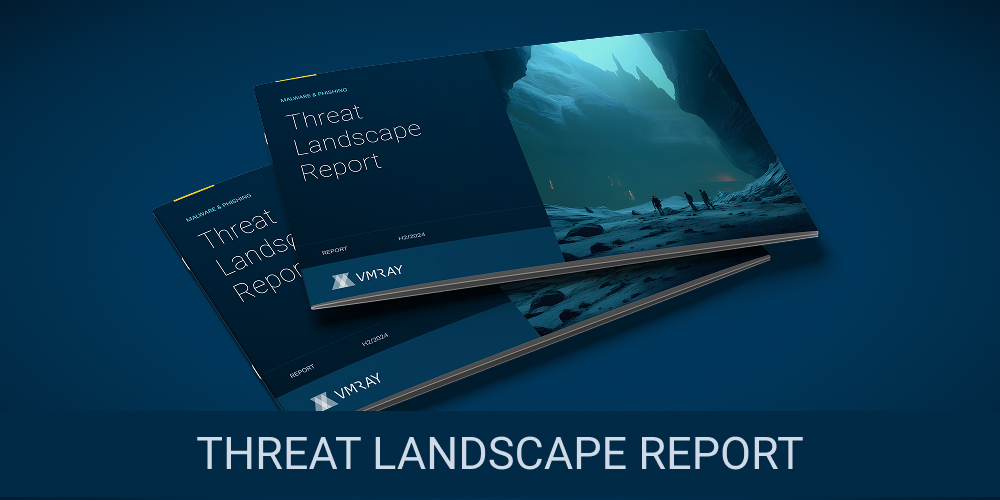
Executive summary: The second half of 2024 shows how attackers are continuing to refine their tactics to target both organizations and individuals. The period saw substantial financial losses, including the continuation of ransomware extortions and large-scale phishing campaigns. High-profile incidents targeted major platforms like Facebook, GitHub, and LinkedIn, alongside government
In an era where cyber threats evolve faster than ever, organizations need more than raw data—they need actionable threat intelligence. This intelligence transforms overwhelming threat feeds into prioritized, contextual insights that cybersecurity teams can act on immediately. At VMRay, a leader in advanced malware sandboxing and context-rich threat intelligence, we
Keep up to date with our weekly digest of articles. Get the latest news, invites to events, and threat alerts!
🚀 Meet UniqueSignal: empower your security operations with precise and actionable threat intelligence!